About Continuous Casting Machine Tundish
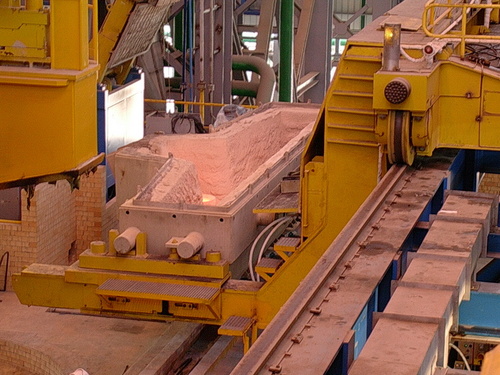
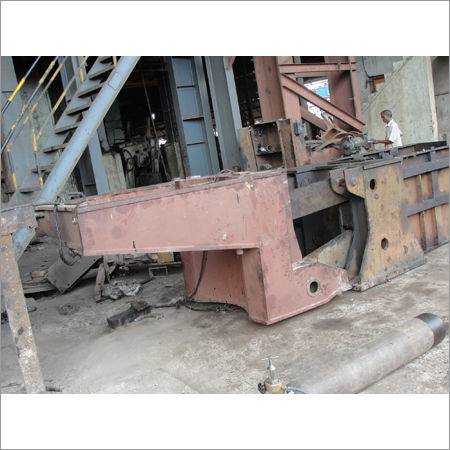
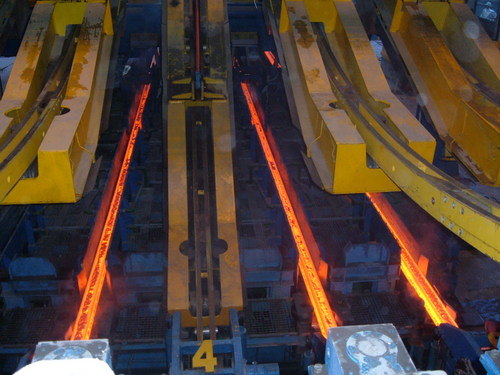
Strengthened by a team of competent professionals, we are excelling in the market as a manufacturer, supplier and exporter of Continuous Casting Machine Tundish. Made using best quality material, the offered product is used in the process of making casts of hot steel. These not only ensure optimal flaw of steel to moulds, but also control temperature drop during the process. Offered by us, the Continuous Casting Machine Tundish is widely acknowledged in the market for the below mentioned features:
- Power efficiency
- Low maintenance
- High tensile strength
- Resistance to corrosion
| Function | Distribution of hot steel from ladle to the individual strands, separation of inclusions |
| Location | On tundish car |
| Construction | For hot or cold tundish practice, reinforced steel shell made up of heavy steel plates, with permanent- and wear refractory lining. Optimized computer designed shape of shell for: - Optimal steel flow to moulds
- Controlled temperature drop
- Perfect visibility into mould
|
Reliable Molten Metal DistributionThis Continuous Casting Machine Tundish ensures precise molten metal distribution for seamless steel production. Its high-quality refractory lining and robust mild steel construction allow it to withstand intense thermal and mechanical stress, safeguarding the casting process. Custom-built dimensions and industrial-grade surface treatments make it suitable for various manufacturing environments, while the noise level remains minimal, contributing to a safer workplace.
Customizable Design for Your NeedsOur tundishes are available in rectangular, oval, or fully customized shapes with variable sizes and colors, tailored to specific plant requirements. Power source, drive type, and lubrication systems are adaptable, allowing integration into new or existing casting lines. Each tundish is manufactured, supplied, and serviced by a network of reputable industry professionals across India, ensuring local support and prompt technical assistance.
FAQs of Continuous Casting Machine Tundish:
Q: How does the tundish function in a continuous casting process?
A: The tundish acts as a reservoir between the steel ladle and the casting mold in the continuous casting process. It regulates and distributes molten metal, ensuring a consistent flow while filtering impurities and promoting uniform temperature, which results in superior cast quality.
Q: What materials are used in constructing the tundish, and why?
A: The tundish is constructed using mild steel (MS) for its body, offering strength and durability, and is lined with a refractory material to resist high temperatures and corrosion caused by molten metal. This combination ensures longevity and safe operation in demanding steel casting environments.
Q: When should the tundishs refractory lining be replaced?
A: Refractory lining replacement depends on the frequency and intensity of use, typically after visible signs of wear, cracking, or significant erosion. Regular inspection schedules are recommended to maintain optimal performance and safety during continuous casting.
Q: Where can these tundishes be installed?
A: These tundishes are designed for installation in steel manufacturing plants using continuous casting technology. Their customizable shapes and sizes allow seamless integration into various casting setups across India and international locations, supported by local dealers and service networks.
Q: What are the benefits of a paint coated and sand blasted surface on the tundish?
A: Paint coating and sand blasting the tundish surface provide enhanced corrosion resistance, a smooth finish for easy maintenance, and improved durability. These treatments also help the tundish withstand severe industrial conditions over prolonged operational periods.
Q: How is noise kept below 80 dB during operation?
A: The tundish is engineered with structural features and precise components that minimize operational vibration and sound emission, keeping noise levels safely below 80 dB to ensure a comfortable and compliant industrial work environment.
Q: What lubrication options are available and how are they applied?
A: Lubrication for the tundishs moving parts can be managed either manually or automatically, depending on model selection and plant preferences. Regular lubrication reduces wear, supports smooth operation, and extends equipment life.





 Send Inquiry
 Get Latest Price

